Fiction
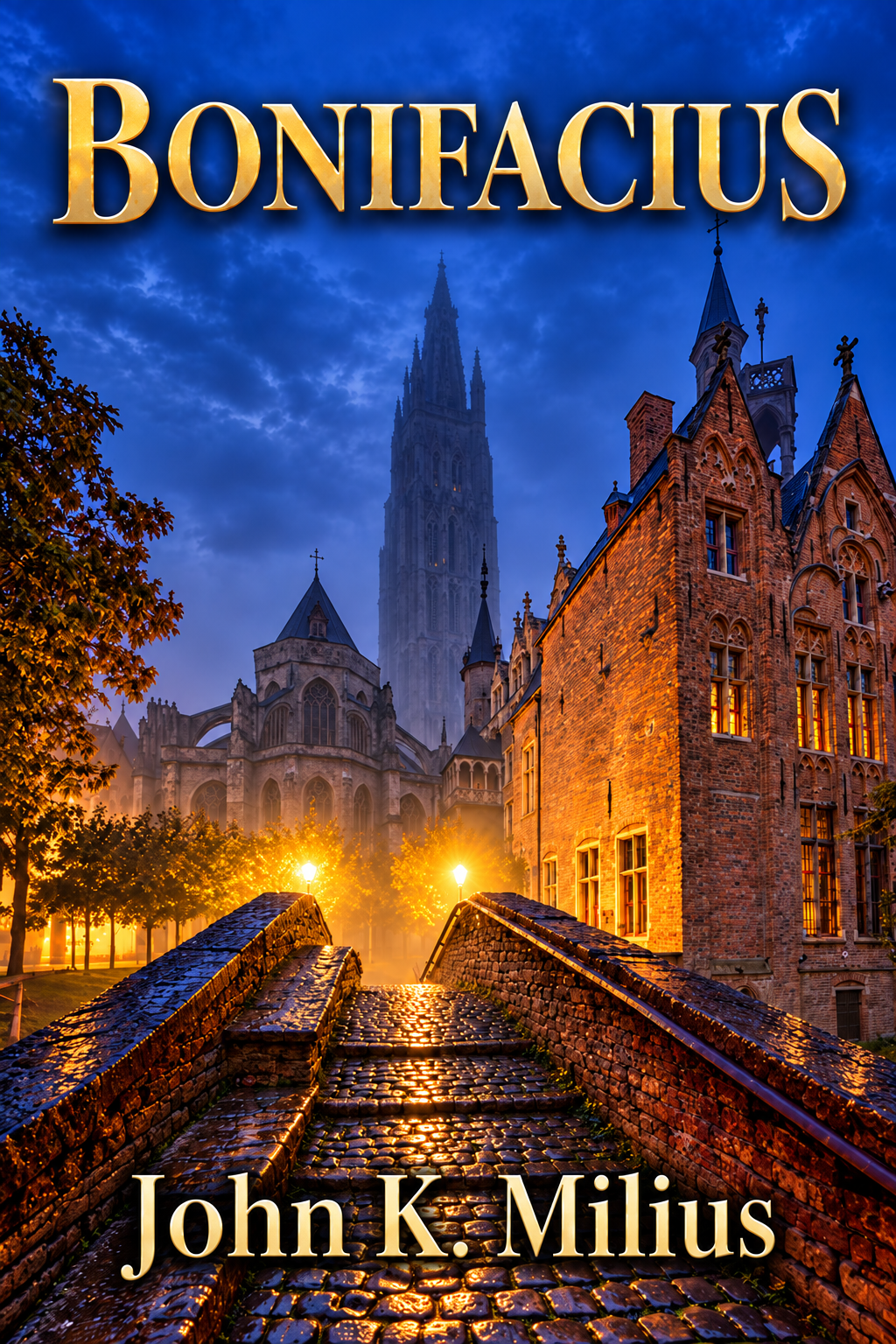
Bonifacius
Book under development
About the Book
Brugge, 1784. The cemetery beside the Church of Our Lady closes, leaving a warning: a name must never be separated from the person beneath its stone. More than a century later, an old grave marker finds its way into the masonry of a beautiful new bridge. Then a solitary figure begins appearing after dark. In this atmospheric historical ghost story, the living discover that the dead are not searching for their bodies—they are searching for the names the city has forgotten.
Coming Soon
Ask about this bookA Taste of the Writing
A Preview of the Story
An original story preview. The text may change as the manuscript develops.
The mason turned the stone because one face was smoother than the other. That was all. He had a wall to finish, cold mortar in the trough, and a foreman who measured delay more carefully than workmanship.
On the underside, letters caught the morning light.
He brushed them with his sleeve. A name, or what remained of one. The first marks had worn shallow. The last were sharp enough to hold a little water from the night before.
“Will it fit?” the foreman asked.
“Yes.”
“Then turn it.”
He did. The name disappeared into the bed of mortar.
By evening the bridge had acquired another clean line. People would cross it without noticing where one piece ended and the next began. The mason took a certain pride in that. Good work concealed its own difficulty.
He was washing his hands when he noticed the man beside the water.
The stranger stood very still, looking at the unfinished parapet. His coat belonged to a fashion the mason knew from old pictures. There was no hat in his hands, although the evening was cold.
“We're finished for today,” the mason called.
The man turned.
For a moment the mason thought he had not heard. Then the stranger looked down at the mason's wet hands and asked, with perfect courtesy, where he had put the name.
Meet the Author
John K. Milius
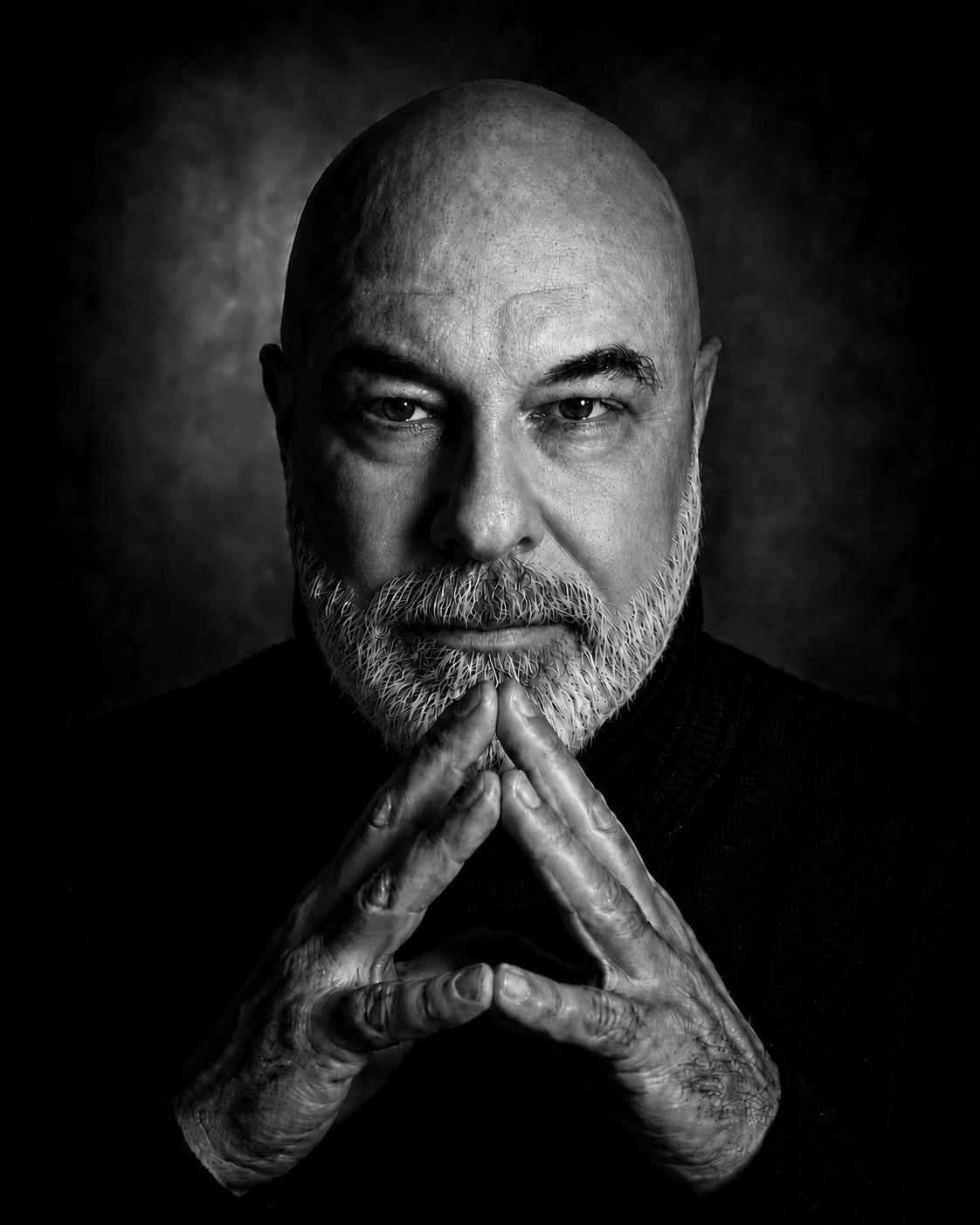
John K. Milius brings four decades of sales, leadership, customer relationships, and hard-earned commercial judgment to the page. His fiction turns that same eye toward Brugge—a city of water, memory, history, and stories waiting beneath the stones.
Continue Exploring